01
1 min
Should AI agents use tools autonomously?
0:00 / 0:00
Choose something you want to understand and the time you have available. Yappa.ai creates a researched debate podcast that explores both sides before you reach your destination.
01
1 min
0:00 / 0:00
02
1 min
0:00 / 0:00
03
1 min
0:00 / 0:00
04
10 min
0:00 / 0:00
05
20 min
0:00 / 0:00
Turn a question into a debate worth listening to, with two perspectives, real sources, and room to form your own view.
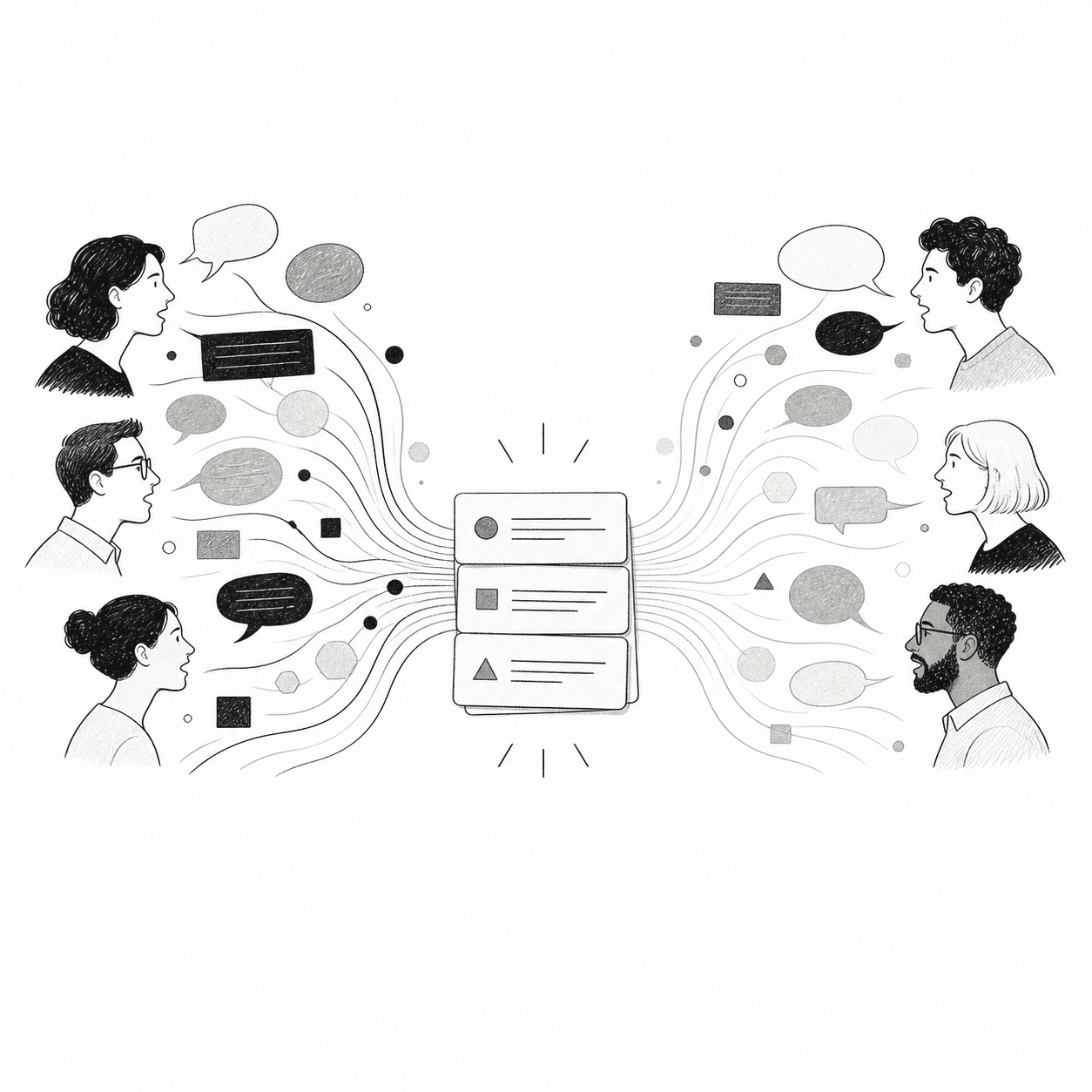
Scan the question, the strongest case on each side, and the conclusion in a focused recap that preserves the reasoning without replaying the full episode.
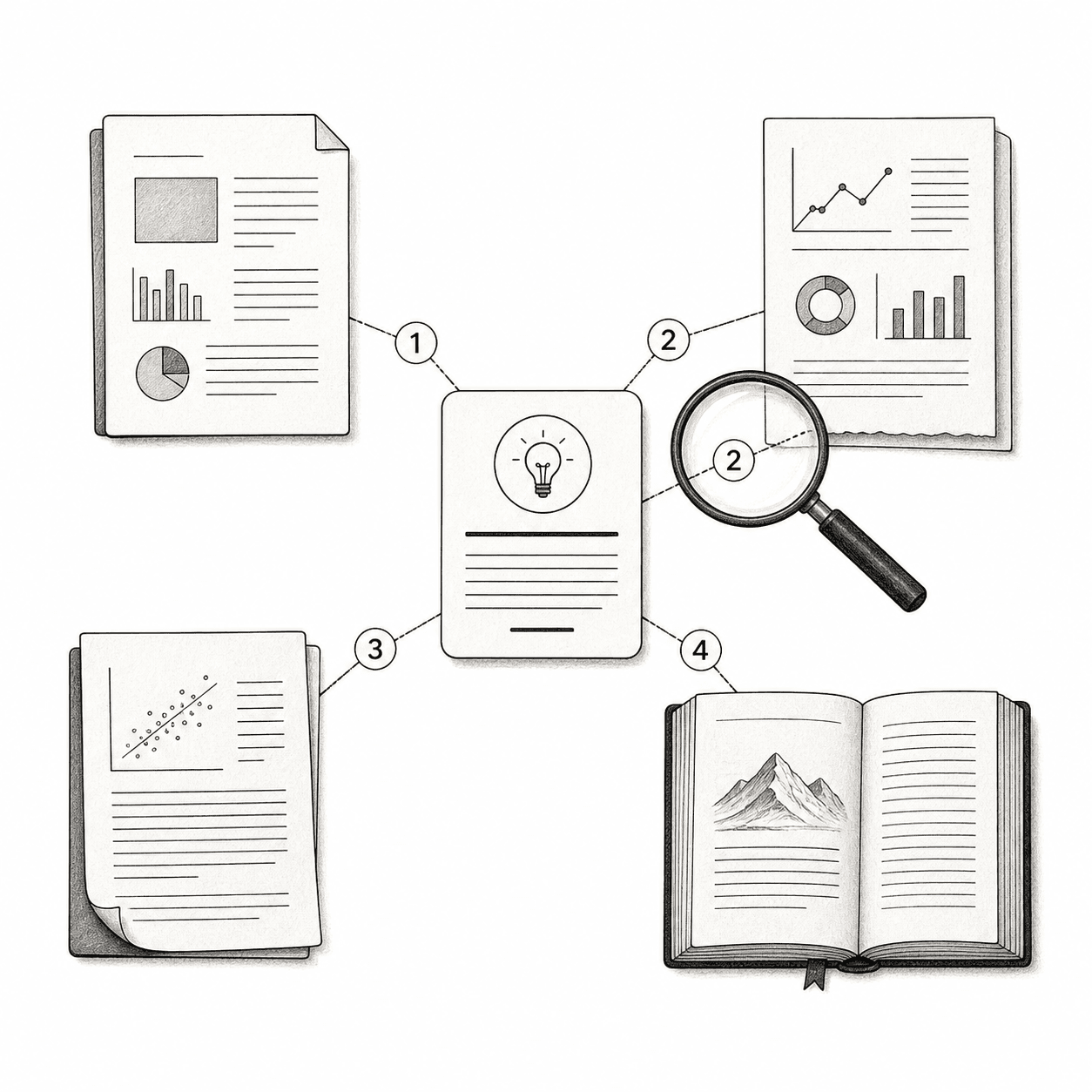
Follow each claim back to the paper, report, or source that supports it, then open the reference and judge the evidence for yourself.
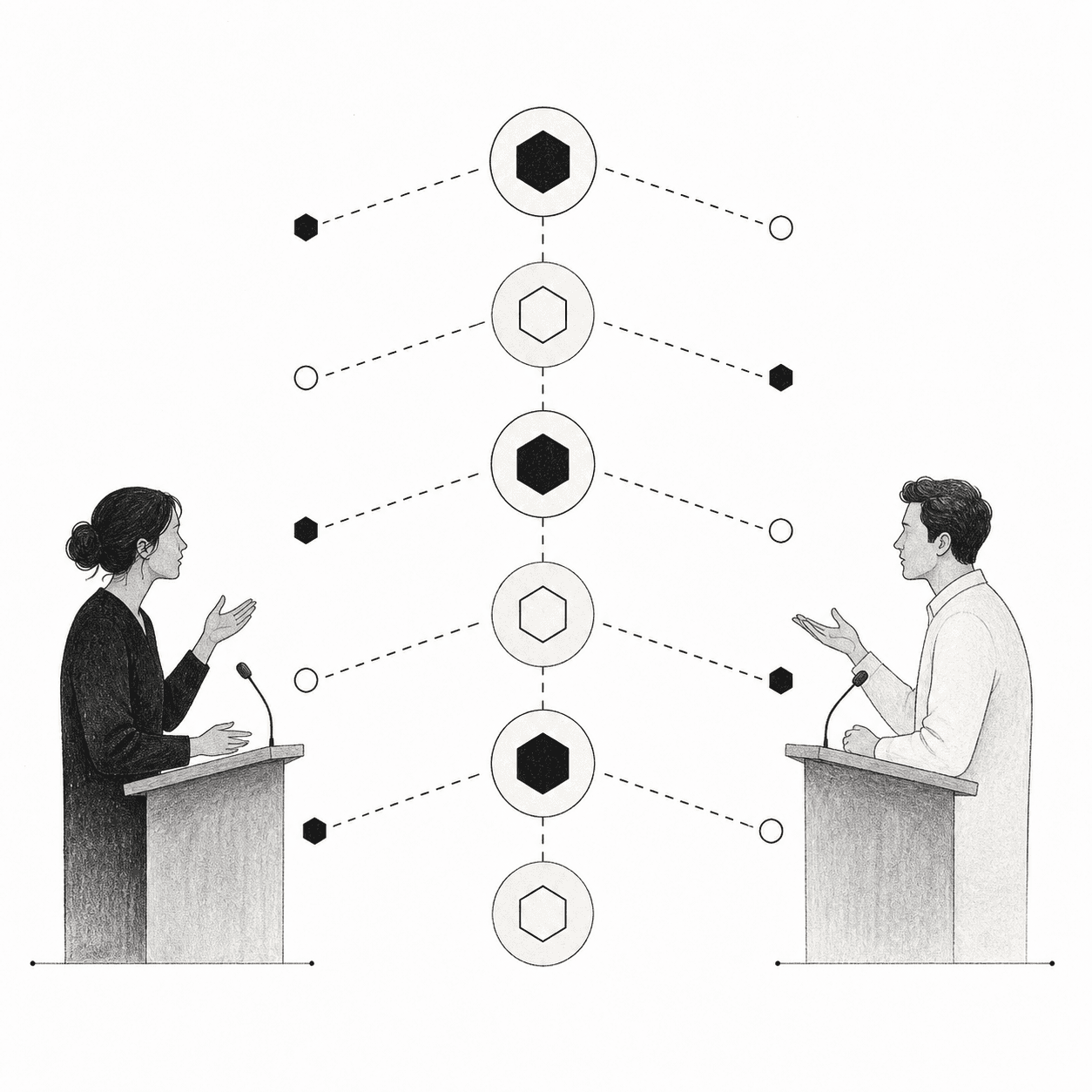
See exactly which AI made each point, compare how the arguments develop, and follow either side deeper when one idea catches your attention.
Six steps turn your curiosity into a researched, verified debate you can play, follow, and download whenever you want to keep learning.
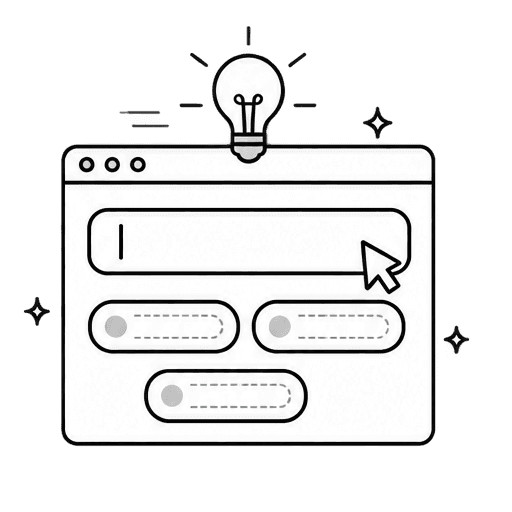
Tell Yappa.ai what interests you and how long you want to listen.
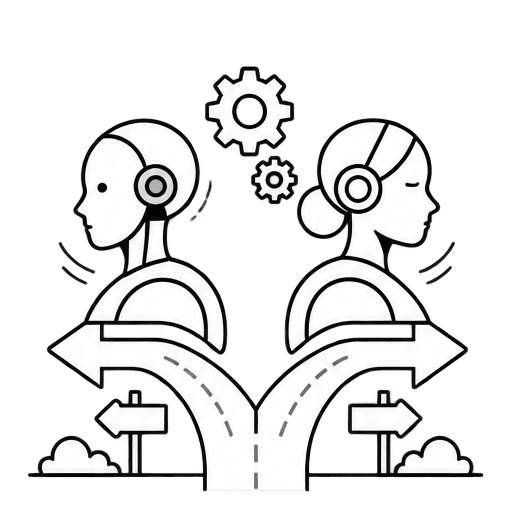
Two AI agents split the question and commit to opposing positions.
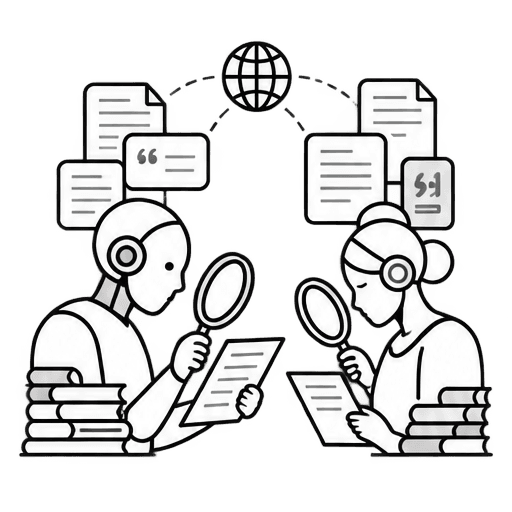
Both agents independently gather sources, evidence, and context.
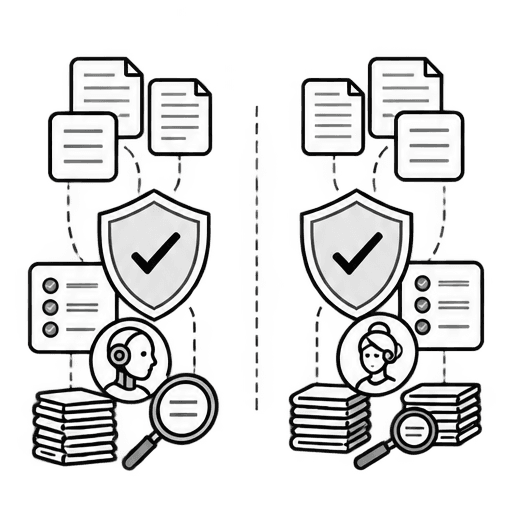
One verifier agent reviews each side’s sources, claims, and conclusions.
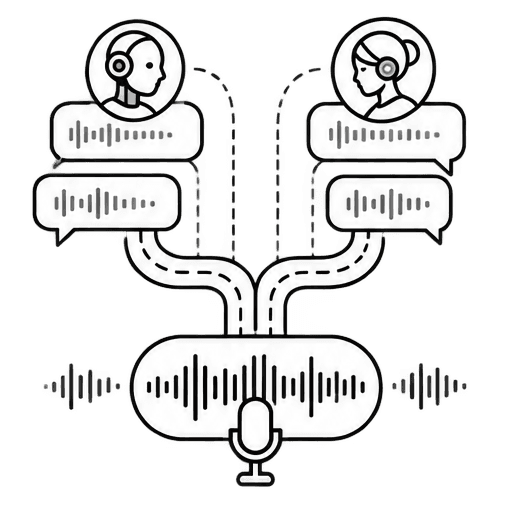
The verified debate is finalized and voiced with Fish Audio text-to-speech.
Play the finished MP3 whenever you want or download it for offline listening.
The evidence
Research does not show debate is the best method for every subject. It does show that structured, evidence-led argument can deepen content learning, sharpen reasoning, and make difficult ideas easier to examine from more than one angle.
Modern Language Journal · 2020
In a controlled study of 146 secondary students, debate instruction significantly improved several measures of second-language writing.
Read the paperSystem · 2021
Across eight secondary-school classes, debate instruction improved structural and quality measures of written and oral argumentation.
Read the paperAmerican Journal of Pharmaceutical Education · 2024
Among 46 pharmacy students, quiz scores rose from 66.5% to 80.7% after a structured debate on universal healthcare.
Read the paperSet the topic, choose the time you already have, and let Yappa.ai shape the conversation around the moment you want to use for learning.
Choose a topic and enter your drive time. Yappa.ai prepares a debate podcast that finishes as you arrive.
Pick what you want to learn and how long you will train. Your podcast runs for the same session.
Swap repetitive music for a custom debate and learn something new without leaving the keyboard.
The Yappa.ai philosophy
Yappa.ai is built on a simple belief: the goal of learning is not to collect the fastest answer. It is to understand a question well enough to notice its assumptions, weigh its trade-offs, and decide what you think. A debate gives that process a shape you can follow. One voice makes a claim, another tests it, and the space between them gives you room to look again.
A new language is more than a list of vocabulary and grammar rules. It is rhythm, hesitation, emphasis, disagreement, and the small phrases people use to make an idea clearer. Listening to two speakers work through a real question gives you those patterns in motion. You hear the same idea explained from different angles, meet useful words in a meaningful context, and begin to recognize how a thought changes when the speaker is curious, doubtful, certain, or willing to concede.
It is easy to inherit a position from the loudest voice in the room. It is harder, and more valuable, to understand the strongest case on both sides before choosing your own. Yappa.ai does not ask you to accept a verdict. It lets you follow the evidence, see where each argument is strong or limited, and form a view that belongs to you. Changing your mind is not a failure in that process; it is evidence that you were paying attention.
The first explanation we hear often becomes the frame through which we interpret everything else. A thoughtful opposing view interrupts that shortcut. It makes hidden premises visible, separates a genuine disagreement from a difference in definitions, and shows which parts of an idea survive serious questioning. That slower second look is where understanding becomes more durable: not because every side is equally right, but because you can now see the shape of the question more clearly.
Good debate is not performance for its own sake. It is a way to practice intellectual flexibility without giving up judgment. You can understand why someone reaches a conclusion, recognize the values underneath it, and still disagree with the result. Over time, that habit unlocks new perspectives: on the topic you started with, on the people who see it differently, and on the limits of your own first impression. Every Yappa.ai episode is an invitation to leave with a better question, not just a louder answer.